Sayart.net - Korean Cultural Center in D.C. to Showcase Traditional Minhwa Folk Paintings in Major Exhibition

  • December 10, 2025 (Wed)

Korean Cultural Center in D.C. to Showcase Traditional Minhwa Folk Paintings in Major Exhibition

Sayart / Published November 26, 2025 06:00 PM
  • -
  • +
  • print

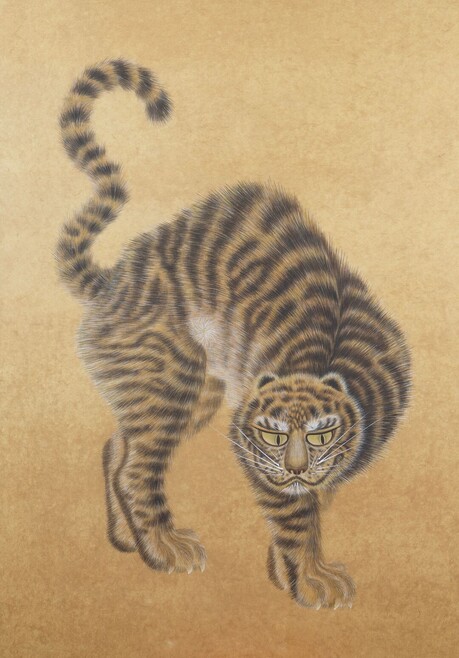
The Korean Cultural Center Washington, D.C. (KCCDC) and the Seoul Museum of History are presenting a comprehensive exhibition of traditional Korean folk paintings that offers visitors an intimate glimpse into Seoul's cultural heritage. "Charm of Seoul, Minhwa: Wishes in Korean Folk Painting" features rare original artworks from the 19th and 20th centuries that reveal the personal aspirations and desires of Seoul's upper classes through symbolic folk motifs and traditional imagery.

The exhibition showcases approximately 20 works, including traditional and contemporary minhwa paintings, painted ceramics, and pieces from the museum's collection, along with a digital media folding screen from the National Museum of Korea. These iconic minhwa art genres have continued to inspire quintessential cultural images of Korea into the modern age, including the now-globally-recognized characters that have appeared in contemporary Korean media. The display also incorporates a variety of contemporary and digital art interpretations of these classical styles.

Featured items are drawn from the Seoul Museum of History's special traveling exhibition "Charm of Seoul," focusing on classical minhwa - traditional folk paintings that evolved alongside Seoul's history and culture during the late Joseon Dynasty era leading up to the 20th century. The exhibition is part of Korea's ongoing Touring K-Art Project, which features unique content across the traditional and popular cultural spectrum, supported by the Ministry of Culture, Sports and Tourism (MCST) and the Korea Foundation for International Cultural Exchange (KOFICE).

The exhibition is organized into three thematic sections that tell an intimate story centuries in the making. "Seoul's Minhwa: The Blooming Wishes of Home" presents fine examples of minhwa paintings that were historically made to order and spread from boutique stores to the homes of Seoul's ordinary residents in the 18th and 19th centuries. Within Korean homes, minhwa paintings served as more than decorative pictures - they expressed longings for fortune and well-being across various genres: pyeongsaengdo (paintings of life's celebrations) for a long, blessed life; hojakdo (paintings of tigers and magpies) for protection from diseases and malicious intent; chaekgado (paintings of bookshelves) for respect toward the noble class and dreams of social advancement; eohaedo (paintings of fish and crabs) for wealth and fertility; and gammoyeojaedo (paintings of altars) for heavenly blessings through filial piety.

The second section, "Minhwa: The Wishes Blooming Today," highlights contemporary minhwa that has been reborn within Seoul and across Korea as a language of contemporary art reinterpreting tradition. Modern artists reinterpret symbolic motifs such as chaekgeori (images of books), tigers, magpies, lotus flowers, and fish with contemporary sensibilities, wit, and freedom. These works express personal desires and messages of happiness and peace that reflect the enduring yearning for auspiciousness from the Joseon period to modern society.

In the third section, "Yoonseul Space" - drawing on the Korean word yoonseul, indicating the shimmering reflection of light on waves - media artworks express the continuity of Seoul's traditions and cultural heritage through time. Through these exhibits and media works, visitors can gain a deeper understanding of Korean home life, decorative art, and traditional culture.

The exhibition will be on display to the public from November 20, 2025, through February 20, 2026, at the KCCDC. It will launch with a public opening reception and introduction by museum officials at the KCCDC on Thursday, November 20, at 6:00 p.m., though RSVP is required as the event has reached maximum capacity. Attendees at the opening will have a chance to enter a drawing for special prizes, and the exhibition will remain open to walk-in visitors throughout its three-month run.


The Korean Cultural Center Washington, D.C. (KCCDC) and the Seoul Museum of History are presenting a comprehensive exhibition of traditional Korean folk paintings that offers visitors an intimate glimpse into Seoul's cultural heritage. "Charm of Seoul, Minhwa: Wishes in Korean Folk Painting" features rare original artworks from the 19th and 20th centuries that reveal the personal aspirations and desires of Seoul's upper classes through symbolic folk motifs and traditional imagery.

The exhibition showcases approximately 20 works, including traditional and contemporary minhwa paintings, painted ceramics, and pieces from the museum's collection, along with a digital media folding screen from the National Museum of Korea. These iconic minhwa art genres have continued to inspire quintessential cultural images of Korea into the modern age, including the now-globally-recognized characters that have appeared in contemporary Korean media. The display also incorporates a variety of contemporary and digital art interpretations of these classical styles.

Featured items are drawn from the Seoul Museum of History's special traveling exhibition "Charm of Seoul," focusing on classical minhwa - traditional folk paintings that evolved alongside Seoul's history and culture during the late Joseon Dynasty era leading up to the 20th century. The exhibition is part of Korea's ongoing Touring K-Art Project, which features unique content across the traditional and popular cultural spectrum, supported by the Ministry of Culture, Sports and Tourism (MCST) and the Korea Foundation for International Cultural Exchange (KOFICE).

The exhibition is organized into three thematic sections that tell an intimate story centuries in the making. "Seoul's Minhwa: The Blooming Wishes of Home" presents fine examples of minhwa paintings that were historically made to order and spread from boutique stores to the homes of Seoul's ordinary residents in the 18th and 19th centuries. Within Korean homes, minhwa paintings served as more than decorative pictures - they expressed longings for fortune and well-being across various genres: pyeongsaengdo (paintings of life's celebrations) for a long, blessed life; hojakdo (paintings of tigers and magpies) for protection from diseases and malicious intent; chaekgado (paintings of bookshelves) for respect toward the noble class and dreams of social advancement; eohaedo (paintings of fish and crabs) for wealth and fertility; and gammoyeojaedo (paintings of altars) for heavenly blessings through filial piety.

The second section, "Minhwa: The Wishes Blooming Today," highlights contemporary minhwa that has been reborn within Seoul and across Korea as a language of contemporary art reinterpreting tradition. Modern artists reinterpret symbolic motifs such as chaekgeori (images of books), tigers, magpies, lotus flowers, and fish with contemporary sensibilities, wit, and freedom. These works express personal desires and messages of happiness and peace that reflect the enduring yearning for auspiciousness from the Joseon period to modern society.

In the third section, "Yoonseul Space" - drawing on the Korean word yoonseul, indicating the shimmering reflection of light on waves - media artworks express the continuity of Seoul's traditions and cultural heritage through time. Through these exhibits and media works, visitors can gain a deeper understanding of Korean home life, decorative art, and traditional culture.

The exhibition will be on display to the public from November 20, 2025, through February 20, 2026, at the KCCDC. It will launch with a public opening reception and introduction by museum officials at the KCCDC on Thursday, November 20, at 6:00 p.m., though RSVP is required as the event has reached maximum capacity. Attendees at the opening will have a chance to enter a drawing for special prizes, and the exhibition will remain open to walk-in visitors throughout its three-month run.
WEEKLY HOTISSUE