


A major exhibition celebrating the groundbreaking photographic work of husband-and-wife duo Lola and Manuel Álvarez Bravo opens this month, showcasing their profound impact on Mexican visual culture and international photography. The comprehensive retrospective, titled "Made in Mexico: Lola and Manuel Álvarez Bravo," brings together over 200 photographs spanning nearly six decades of artistic collaboration and individual achievement.
Manuel Álvarez Bravo, often considered the father of modern Mexican photography, began his career in the 1920s and developed a distinctive style that captured the essence of Mexican life, culture, and social transformation. His surrealist-influenced compositions and masterful use of light and shadow earned him international recognition and collaborations with prominent artists including Diego Rivera, Frida Kahlo, and André Breton. His photographs became iconic representations of Mexican identity during a period of significant cultural renaissance.
Lola Álvarez Bravo, born Dolores Martínez de Anda, initially worked alongside her husband before developing her own unique photographic voice following their separation in 1934. She became one of Mexico's most important female photographers, documenting social issues, urban life, and the changing role of women in Mexican society. Her work often focused on marginalized communities and everyday people, bringing dignity and artistic vision to subjects frequently overlooked by mainstream photography.
The exhibition highlights the couple's individual contributions while exploring their shared commitment to documenting Mexican culture during a transformative period in the nation's history. Their photographs captured everything from rural traditions and religious ceremonies to urban modernization and political movements. The collection includes some of their most celebrated works, rare prints, and previously unseen photographs from private collections and international museums.
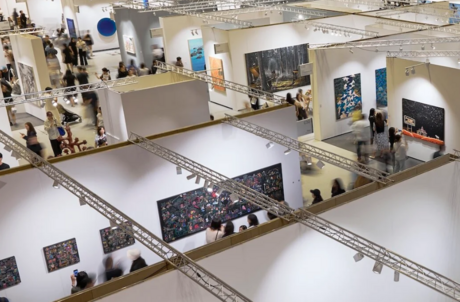
Visitors can explore thematic sections covering street photography, portraiture, architectural studies, and social documentary work. The exhibition also features multimedia presentations showing the historical context of their work and its influence on subsequent generations of Mexican and international photographers. Interactive displays allow visitors to understand the technical innovations and artistic philosophies that made both photographers pioneers in their field.
The retrospective runs through early next year and represents the most comprehensive exhibition of the Álvarez Bravo legacy ever assembled. Museum officials expect the show to attract photography enthusiasts, art historians, and cultural scholars from around the world, further cementing the couple's position as essential figures in 20th-century photography and Mexican artistic heritage.