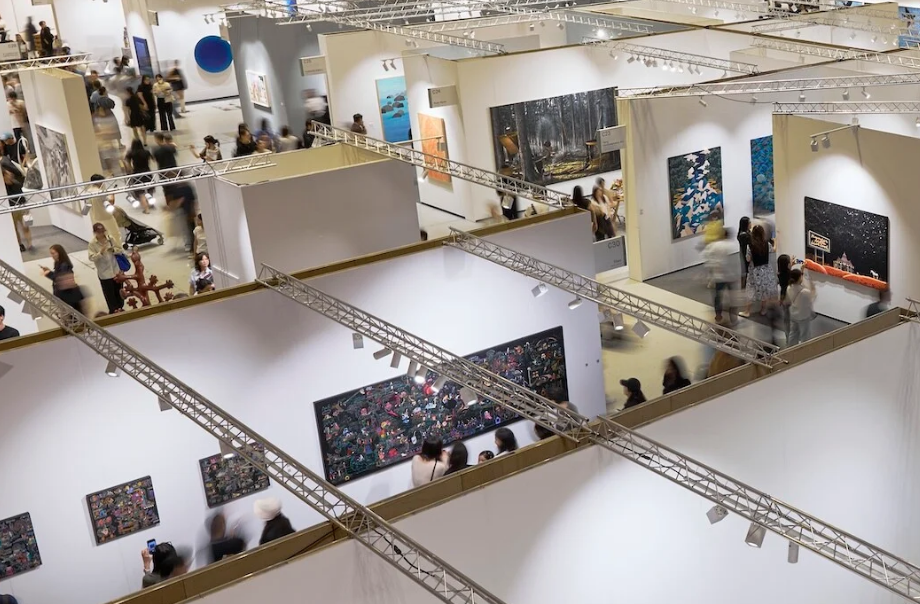
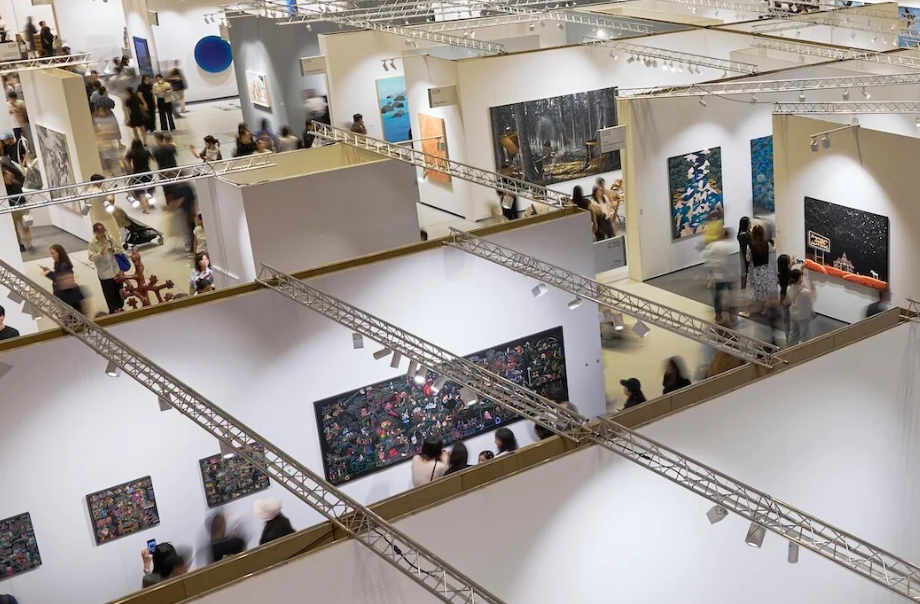
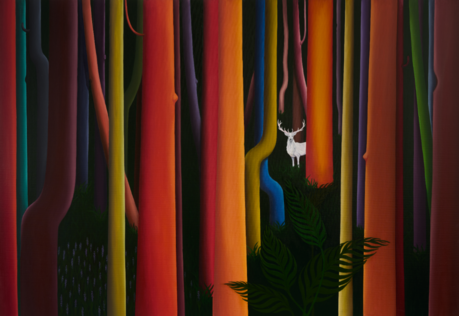
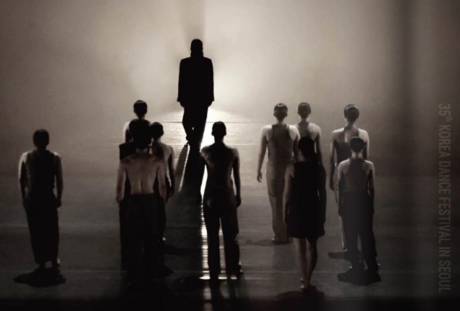
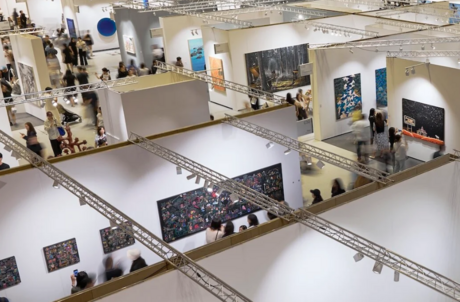
The installation view of the Frieze Seoul 2026, Courtesy of Frieze Seoul
Frieze Seoul and Kiaf Seoul 2026 closed with attendance of more than 70,000 and approximately 80,000, respectively. The more significant development, however, was not a new record price but the widening range of transactions and market participants.
It is too early to declare a full recovery in South Korea’s art market. According to the Korea Arts Management Service, the domestic market contracted 11.2 percent in 2024 to KRW 615.1 billion. An industry survey conducted for 2025 also found that nearly half of respondents had experienced lower sales.
This year’s fairs produced fewer transactions above KRW 1 billion than previous editions. Instead, galleries reported consistent sales ranging from tens of millions to several hundred million won. This suggests a market relying less heavily on a small number of exceptionally expensive works.
Demand for Korean artists was also evident. Kukje Gallery sold a 1971 painting by Yoo Youngkuk for between KRW 2.2 billion and KRW 2.5 billion. Gallery Hyundai reported more than $2.3 million in combined sales from five works by Kim Tschang Yeul and three by Lee Seung Taek.
Leeahn Gallery sold a painting by Lee Kang So for KRW 320 million, while Johyun Gallery placed several sculptures and paintings by Lee Bae. The artists represent different generations and formal approaches, indicating that international demand for Korean art may be expanding beyond a limited group associated with Dansaekhwa.
Institutional attendance is another indicator worth separating from sales. Frieze Seoul welcomed representatives from 178 museums and institutions across 25 countries, its highest total to date.
An institutional visit does not automatically lead to an acquisition. It can, however, create opportunities for research, exhibitions and eventual inclusion in museum collections. The increase therefore broadens the international network through which Korean artists may be evaluated.
Kiaf’s organisers also reported greater participation from younger visitors and first-time collectors. No detailed buyer data were released, making it difficult to measure the scale of that increase. Still, the claim is consistent with sales distributed across lower, middle and higher price levels.
Fair results require caution. Most sales figures are supplied by participating galleries, and consolidated data covering discounts, cancellations and completed payments are generally unavailable. Attendance and selected transactions cannot establish that the entire market has rebounded.
The next stage should therefore focus on transparent sales data and sustained management of artists’ careers. Museum exhibitions, publications, archival research and international institutional partnerships are necessary if attention generated during an art fair is to continue throughout the year.
The positive signal from Seoul is not that speculative demand has returned. It is that works by several Korean artists sold across a wider price range while international institutions and new collectors entered the market. A recovery built on broader participation could prove more durable than one defined by a small number of record transactions.
SayArt.net Maria Kim sayart2022@gmail.com
Frieze and Kiaf report transactions across multiple price levels as institutional and new collector participation expandsThe installation view of the Frieze Seoul 2026, Courtesy of Frieze Seoul
Frieze Seoul and Kiaf Seoul 2026 closed with attendance of more than 70,000 and approximately 80,000, respectively. The more significant development, however, was not a new record price but the widening range of transactions and market participants.
It is too early to declare a full recovery in South Korea’s art market. According to the Korea Arts Management Service, the domestic market contracted 11.2 percent in 2024 to KRW 615.1 billion. An industry survey conducted for 2025 also found that nearly half of respondents had experienced lower sales.
This year’s fairs produced fewer transactions above KRW 1 billion than previous editions. Instead, galleries reported consistent sales ranging from tens of millions to several hundred million won. This suggests a market relying less heavily on a small number of exceptionally expensive works.
Demand for Korean artists was also evident. Kukje Gallery sold a 1971 painting by Yoo Youngkuk for between KRW 2.2 billion and KRW 2.5 billion. Gallery Hyundai reported more than $2.3 million in combined sales from five works by Kim Tschang Yeul and three by Lee Seung Taek.
Leeahn Gallery sold a painting by Lee Kang So for KRW 320 million, while Johyun Gallery placed several sculptures and paintings by Lee Bae. The artists represent different generations and formal approaches, indicating that international demand for Korean art may be expanding beyond a limited group associated with Dansaekhwa.
Institutional attendance is another indicator worth separating from sales. Frieze Seoul welcomed representatives from 178 museums and institutions across 25 countries, its highest total to date.
An institutional visit does not automatically lead to an acquisition. It can, however, create opportunities for research, exhibitions and eventual inclusion in museum collections. The increase therefore broadens the international network through which Korean artists may be evaluated.
Kiaf’s organisers also reported greater participation from younger visitors and first-time collectors. No detailed buyer data were released, making it difficult to measure the scale of that increase. Still, the claim is consistent with sales distributed across lower, middle and higher price levels.
Fair results require caution. Most sales figures are supplied by participating galleries, and consolidated data covering discounts, cancellations and completed payments are generally unavailable. Attendance and selected transactions cannot establish that the entire market has rebounded.
The next stage should therefore focus on transparent sales data and sustained management of artists’ careers. Museum exhibitions, publications, archival research and international institutional partnerships are necessary if attention generated during an art fair is to continue throughout the year.
The positive signal from Seoul is not that speculative demand has returned. It is that works by several Korean artists sold across a wider price range while international institutions and new collectors entered the market. A recovery built on broader participation could prove more durable than one defined by a small number of record transactions.
Warning: Trying to access array offset on value of type bool in /home/sayart/public_html/_libs/smarty/templates_c/103e99f6d7d08ee6b6541efd32c0ef2f33076acc_0.file.news_3t_view.tpl.php on line 56
Warning: Trying to access array offset on value of type bool in /home/sayart/public_html/_libs/smarty/templates_c/103e99f6d7d08ee6b6541efd32c0ef2f33076acc_0.file.news_3t_view.tpl.php on line 59