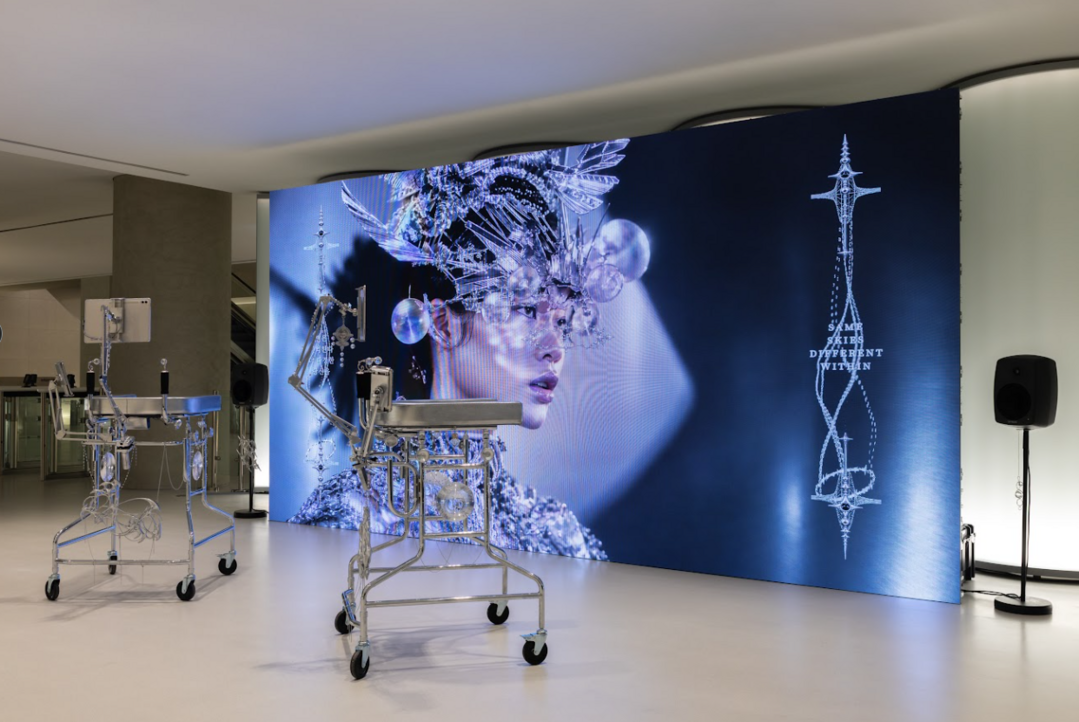
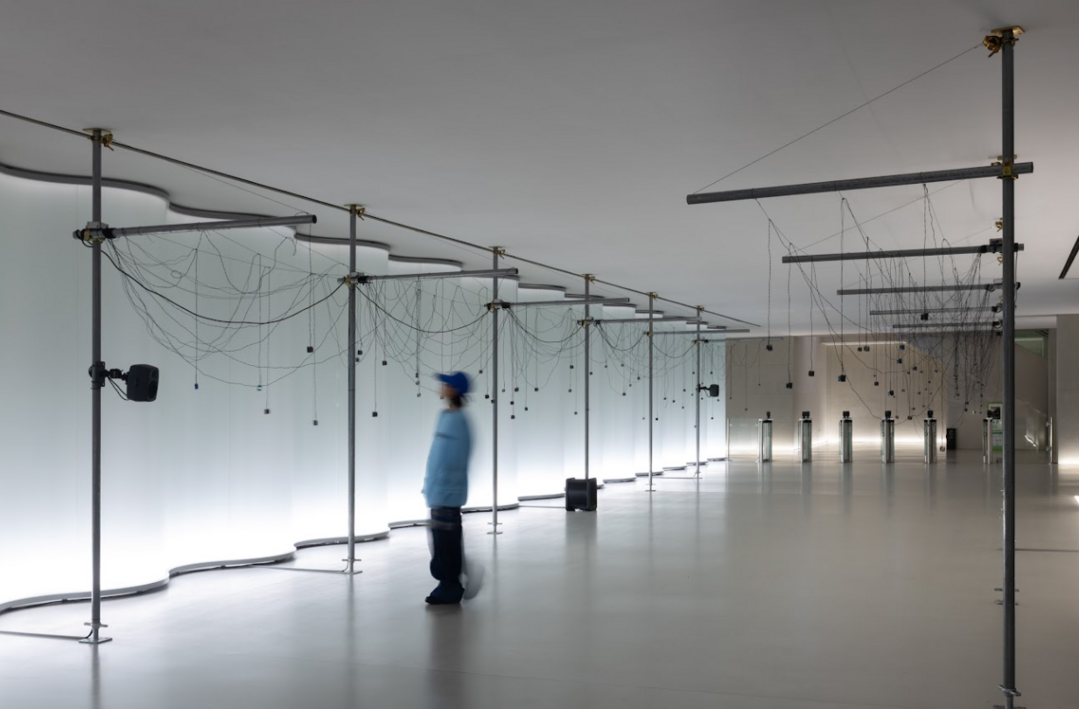
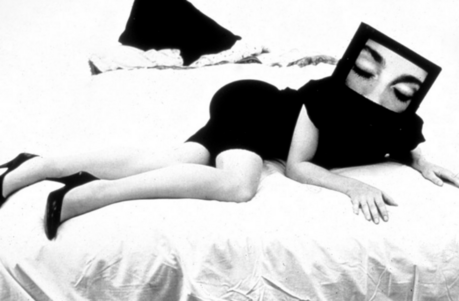
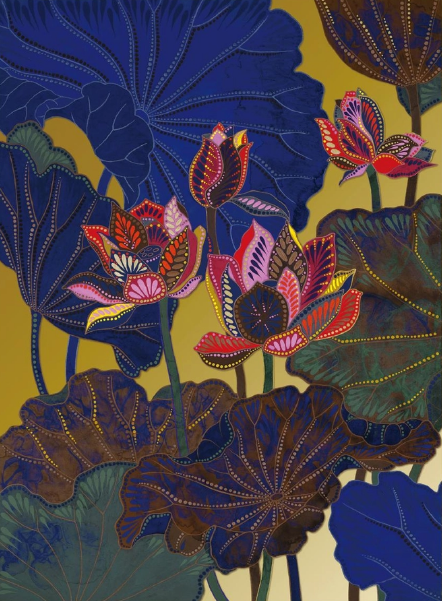
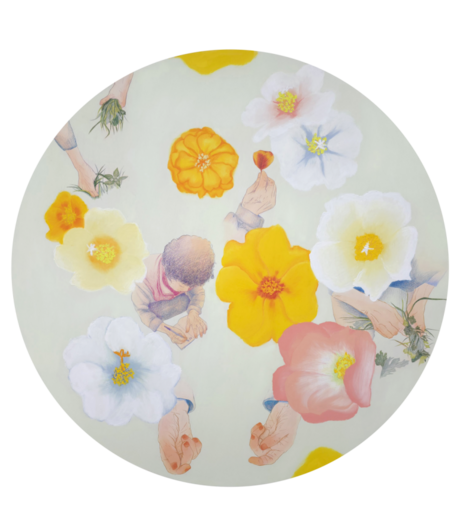
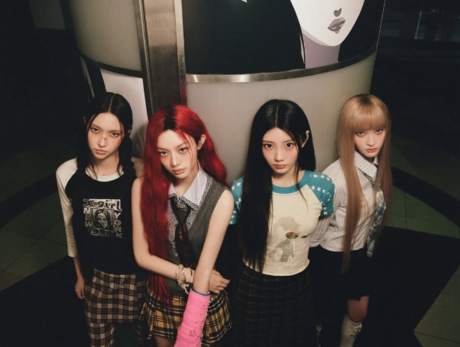
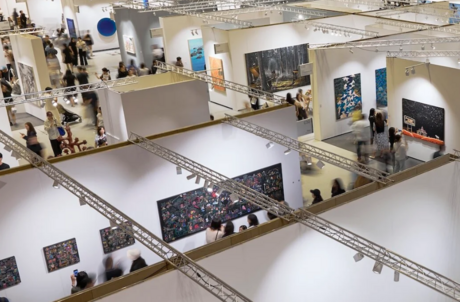
The installation view of the exhibition, Courtesy of Centre Pompidou Hanwha
An exhibition examining how artificial intelligence systems operate—and whether their actions can correspond with human intentions and values—is underway at Centre Pompidou Hanwha in Seoul.
Titled “AS _____ AS POSSIBLE,” the exhibition presents newly commissioned works by MinOhrichar, Inhwa Yeom, Ubac Studio, Kahee Jeong and Mirim Chu. It runs through Nov. 13 across the museum’s ground and first floors.
The project was organised by the Hanwha Foundation of Culture with support from US artificial intelligence company Anthropic. It developed from the two organisations’ joint presentation of Anthropic Research Salon Seoul, a programme bringing AI researchers into conversation with scholars in philosophy and science and technology studies.
Two concepts from AI research provide the exhibition’s framework. “Interpretability” concerns attempts to understand what occurs inside increasingly complex AI systems. “Alignment” addresses whether those systems behave in ways consistent with human intentions and values.
The installation view of the exhibition, Courtesy of Centre Pompidou Hanwha
Rather than treating these subjects solely as technical problems, the participating artists examine the gap between the conditions people give machines and the ways those instructions are received and performed.
The blank in the exhibition title may be completed with terms such as “accurate,” “understandable,” “aligned” or “desirable.” Its changing meaning draws attention to the criteria used to determine whether a technological process has succeeded.
The commissioned works employ video, installation, sound, performance, extended reality and interactive media. Anthropic supported their production and provided the artists with access to its Claude AI model during the creative process. The collaboration marks the company’s first project with a Korean cultural foundation, according to the organisers.
Chu’s single-channel video “Searching for a New Path” was developed by altering, in collaboration with AI, the way a computer programme connects lines and generates forms. Jeong’s “103 Early Hints” takes its title from an HTTP status code indicating that preliminary information has arrived before a complete response.
Ubac Studio’s interactive installation “Body, Still, Moving” layers images of people captured through digital mapping systems, bringing different moments and locations into a shared scene. MinOhrichar combines imagery from the board game Monopoly with a structure that transmits sound through vibration, considering how people interpret reality through predetermined rules and objectives.
The exhibition does not propose a single visual definition of AI. Instead, it focuses on incomplete answers, mismatches and uncertain states that technical systems often seek to eliminate but artistic practice may retain as material for further inquiry.
“AS _____ AS POSSIBLE” is open from 10 a.m. to 6 p.m., Tuesday through Sunday. Admission is free and no reservation is required.
SayArt.net Maria Kim sayart2022@gmail.com
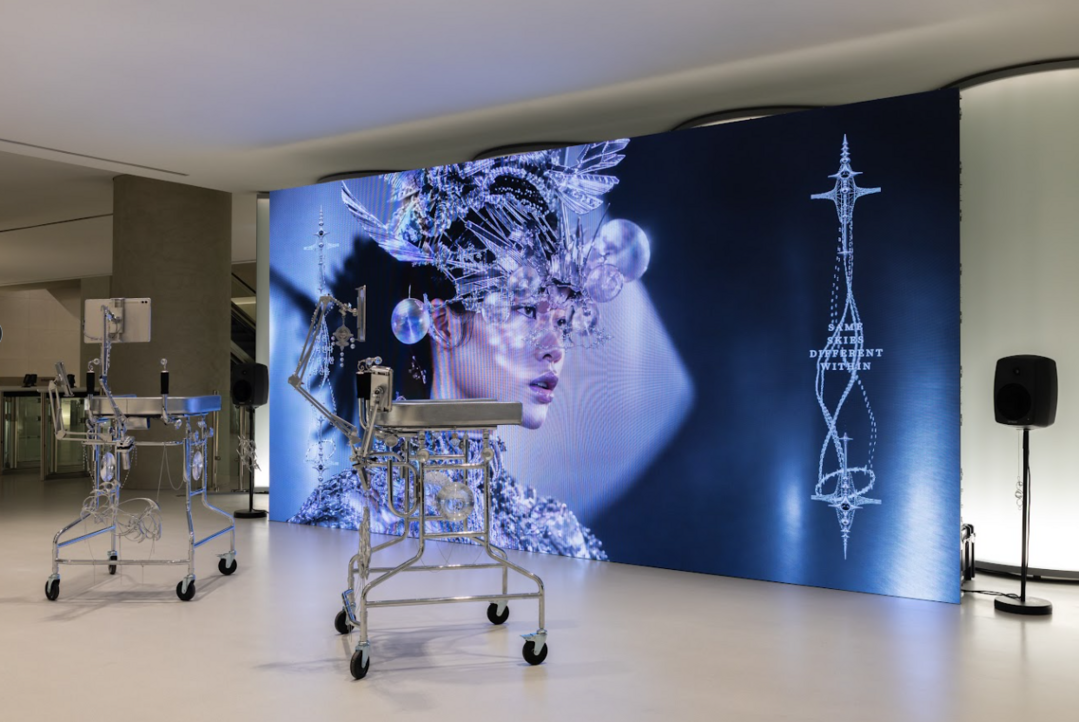
Hanwha–Anthropic commission translates questions of interpretability and alignment into video, installation, sound and interactive mediaThe installation view of the exhibition, Courtesy of Centre Pompidou Hanwha
An exhibition examining how artificial intelligence systems operate—and whether their actions can correspond with human intentions and values—is underway at Centre Pompidou Hanwha in Seoul.
Titled “AS _____ AS POSSIBLE,” the exhibition presents newly commissioned works by MinOhrichar, Inhwa Yeom, Ubac Studio, Kahee Jeong and Mirim Chu. It runs through Nov. 13 across the museum’s ground and first floors.
The project was organised by the Hanwha Foundation of Culture with support from US artificial intelligence company Anthropic. It developed from the two organisations’ joint presentation of Anthropic Research Salon Seoul, a programme bringing AI researchers into conversation with scholars in philosophy and science and technology studies.
Two concepts from AI research provide the exhibition’s framework. “Interpretability” concerns attempts to understand what occurs inside increasingly complex AI systems. “Alignment” addresses whether those systems behave in ways consistent with human intentions and values.
The installation view of the exhibition, Courtesy of Centre Pompidou Hanwha
Rather than treating these subjects solely as technical problems, the participating artists examine the gap between the conditions people give machines and the ways those instructions are received and performed.
The blank in the exhibition title may be completed with terms such as “accurate,” “understandable,” “aligned” or “desirable.” Its changing meaning draws attention to the criteria used to determine whether a technological process has succeeded.
The commissioned works employ video, installation, sound, performance, extended reality and interactive media. Anthropic supported their production and provided the artists with access to its Claude AI model during the creative process. The collaboration marks the company’s first project with a Korean cultural foundation, according to the organisers.
Chu’s single-channel video “Searching for a New Path” was developed by altering, in collaboration with AI, the way a computer programme connects lines and generates forms. Jeong’s “103 Early Hints” takes its title from an HTTP status code indicating that preliminary information has arrived before a complete response.
Ubac Studio’s interactive installation “Body, Still, Moving” layers images of people captured through digital mapping systems, bringing different moments and locations into a shared scene. MinOhrichar combines imagery from the board game Monopoly with a structure that transmits sound through vibration, considering how people interpret reality through predetermined rules and objectives.
The exhibition does not propose a single visual definition of AI. Instead, it focuses on incomplete answers, mismatches and uncertain states that technical systems often seek to eliminate but artistic practice may retain as material for further inquiry.
“AS _____ AS POSSIBLE” is open from 10 a.m. to 6 p.m., Tuesday through Sunday. Admission is free and no reservation is required.
Warning: Trying to access array offset on value of type bool in /home/sayart/public_html/_libs/smarty/templates_c/103e99f6d7d08ee6b6541efd32c0ef2f33076acc_0.file.news_3t_view.tpl.php on line 56
Warning: Trying to access array offset on value of type bool in /home/sayart/public_html/_libs/smarty/templates_c/103e99f6d7d08ee6b6541efd32c0ef2f33076acc_0.file.news_3t_view.tpl.php on line 59